Ledger.com/start – A Secure Foundation for Managing Your Cryptocurrency
As cryptocurrency adoption continues to grow, more users are choosing to store their assets independently rather than leaving them on exchanges. This approach, often called self-custody, gives users complete control over their funds. However, it also means that security is no longer shared with a third party. If access credentials are lost or compromised, recovery is often impossible. Because of this, choosing a secure storage method is critical. Hardware wallets are widely considered one of the safest options available, and Ledger is among the most trusted providers in this space.
To ensure users begin the right way, Ledger offers an official setup portal known as Ledger.com/start. This page provides verified instructions and tools to help users initialize their Ledger wallet safely while avoiding fake apps, phishing sites, and configuration errors.
What Is Ledger.com/start?
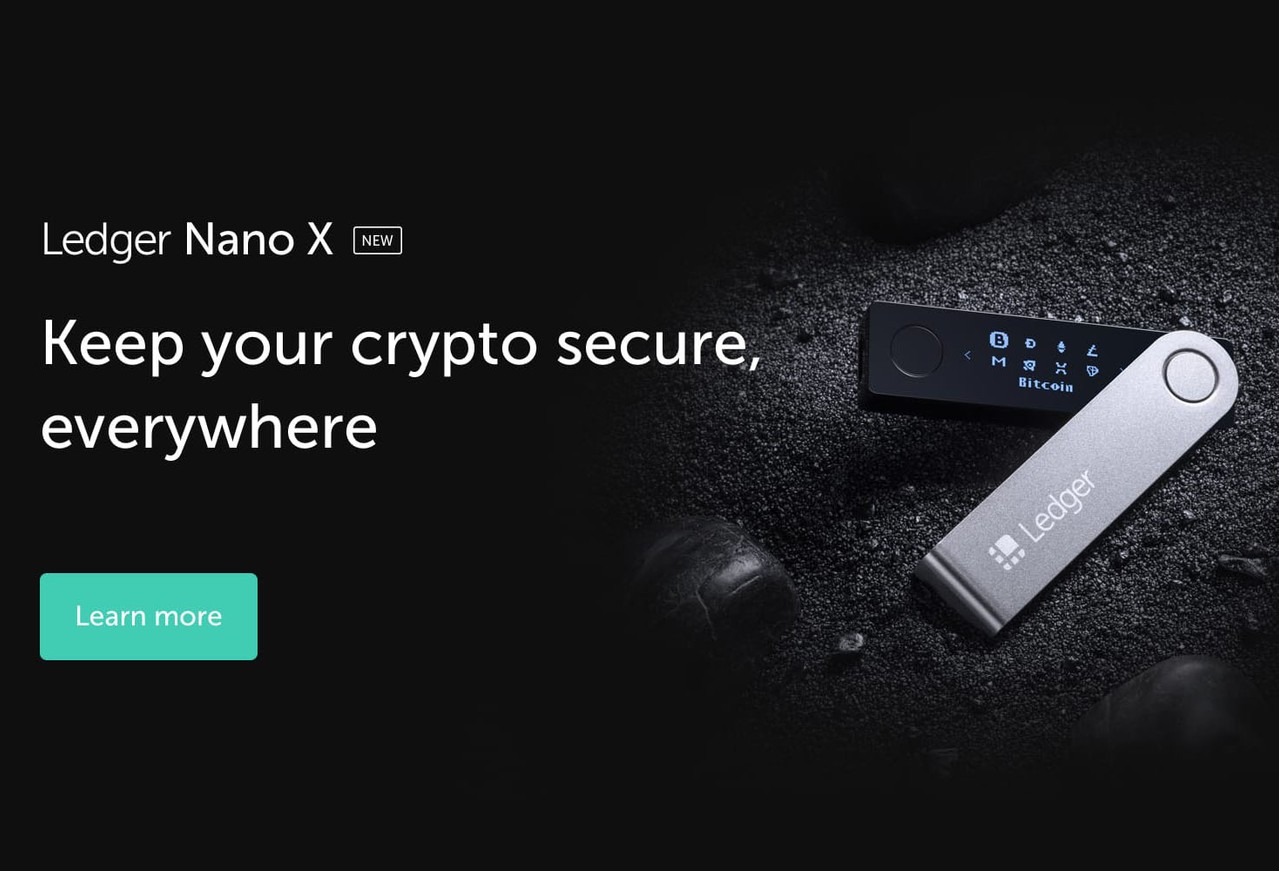
Ledger.com/start is the official onboarding page for Ledger hardware wallets such as the Ledger Nano S Plus, Ledger Nano X, and Ledger Stax. It acts as a secure starting point for new users, guiding them through software installation and device configuration.
Through Ledger.com/start, users can:
Download Ledger Live, Ledger’s official wallet management software
Set up a new Ledger hardware wallet
Create a PIN code for device protection
Generate and securely back up a 24-word recovery phrase
Begin managing digital assets with confidence
Because fake Ledger websites and malicious wallet software exist online, using Ledger.com/start helps ensure users rely only on authentic Ledger resources.
Why Starting at Ledger.com/start Matters
Reduces Risk of Phishing Attacks
One of the most common crypto scams involves fake wallet applications designed to steal recovery phrases. Ledger.com/start directs users only to Ledger Live, the official software developed and maintained by Ledger.
Ledger Live allows users to view balances, manage accounts, and send transactions, while private keys remain securely stored inside the hardware wallet itself.
Promotes Correct Wallet Setup
Ledger wallets are built with strong security features, but these protections rely on proper setup. Ledger.com/start provides a structured process that ensures critical steps—such as firmware verification, PIN creation, and recovery phrase backup—are completed correctly.
This guided approach helps prevent mistakes, particularly for users new to hardware wallets.
Introduces Security Awareness Early
The setup process also explains essential safety concepts, such as why recovery phrases must never be shared and how phishing attempts typically appear. Learning these principles early helps users avoid irreversible errors later.
How to Set Up a Ledger Wallet Using Ledger.com/start
Step 1: Prepare for Setup
Before beginning, make sure you have:
Your Ledger hardware wallet
A computer or smartphone with internet access
Paper or a metal backup to write down your recovery phrase
Avoid storing your recovery phrase digitally. Offline storage offers the strongest protection.
Step 2: Go to Ledger.com/start
Manually type Ledger.com/start into your browser’s address bar. Avoid clicking links from emails, advertisements, or social media posts. Once on the page, select your Ledger model to begin the setup process.
Step 3: Install Ledger Live
Ledger Live is Ledger’s official companion application. It allows users to:
Add accounts for supported cryptocurrencies
Send and receive digital assets
Track balances and transaction history
Install coin-specific apps
Update device firmware securely
Ledger Live does not store private keys. All sensitive actions require approval on the Ledger device itself.
Step 4: Initialize the Device
After connecting your Ledger wallet, follow the on-screen instructions:
Choose to configure the device as new
Create a PIN code to secure physical access
Generate a 24-word recovery phrase
The recovery phrase is shown only once. Write it down carefully, in the correct order, and store it in a secure offline location.
Step 5: Confirm the Recovery Phrase
To verify accuracy, Ledger will ask you to confirm selected words from the recovery phrase. This ensures your backup is complete and usable if wallet recovery is ever required.
Step 6: Add and Manage Crypto Accounts
Once setup is complete, Ledger Live allows you to install apps and add accounts for supported cryptocurrencies such as Bitcoin, Ethereum, and many others. You can now send, receive, and manage your assets securely.
Every transaction must be approved on the Ledger device, keeping private keys isolated from online threats.
Best Practices for Long-Term Ledger Security
Using a Ledger wallet effectively requires good security habits:
Never share your recovery phrase with anyone
Always verify transaction details on the device screen
Keep Ledger Live and firmware updated
Ignore unsolicited messages asking for wallet information
Ledger support will never ask for your recovery phrase or PIN.
Why Ledger.com/start Is the Right Beginning
Ledger.com/start is more than a setup page—it establishes the foundation for secure digital asset ownership. By following the official onboarding process, users significantly reduce the risk of phishing attacks, fake software downloads, and setup mistakes.
The portal also helps users understand the responsibility that comes with self-custody, encouraging thoughtful asset management and long-term security awareness.
Conclusion
Ledger.com/start is the safest and most reliable way to begin using a Ledger hardware wallet. By following the official setup process, users can install Ledger Live securely, protect their recovery phrase, and manage cryptocurrency with confidence.
In an environment where errors can be permanent, starting correctly is essential. Ledger.com/start ensures your crypto journey begins with security, clarity, and peace of mind.